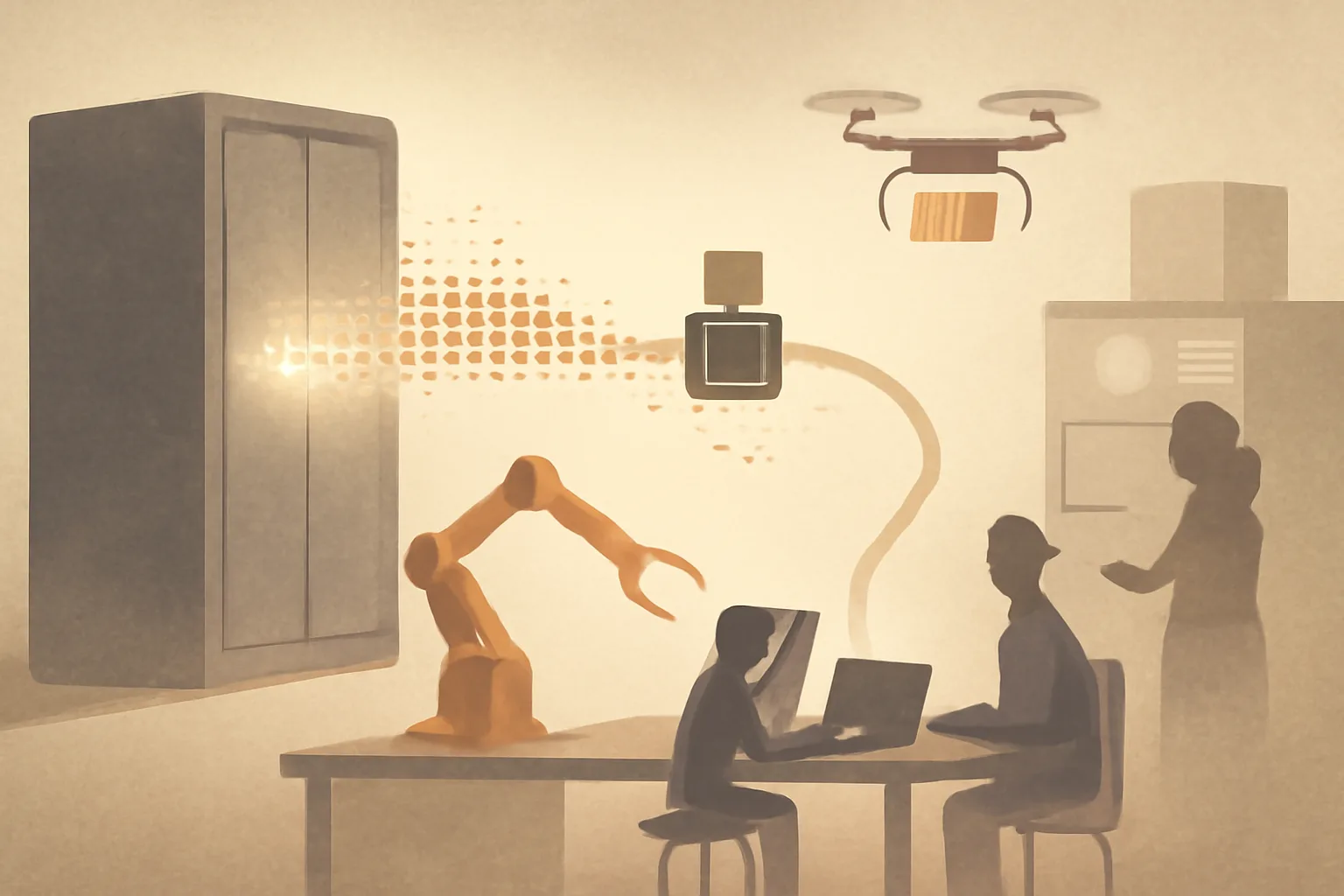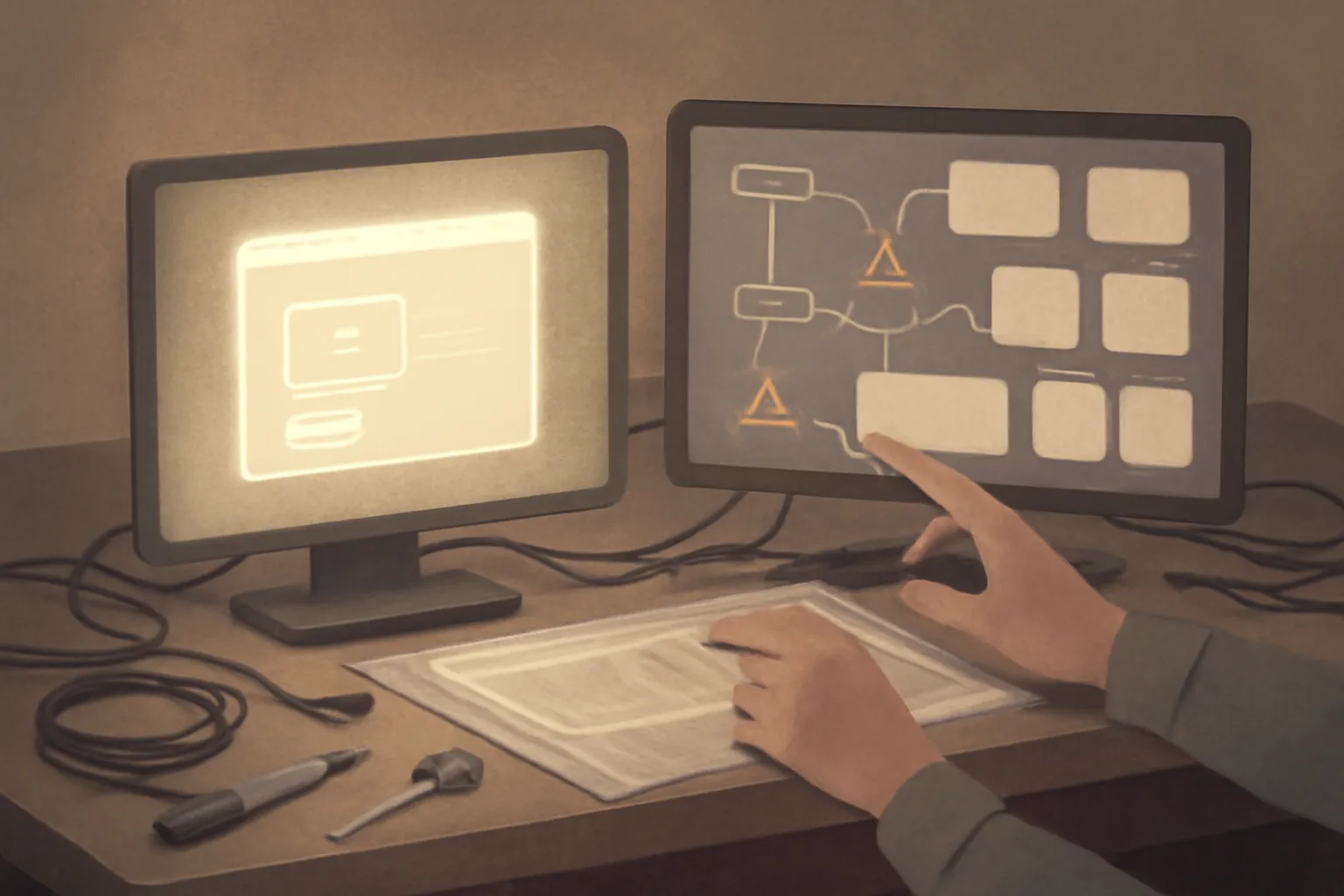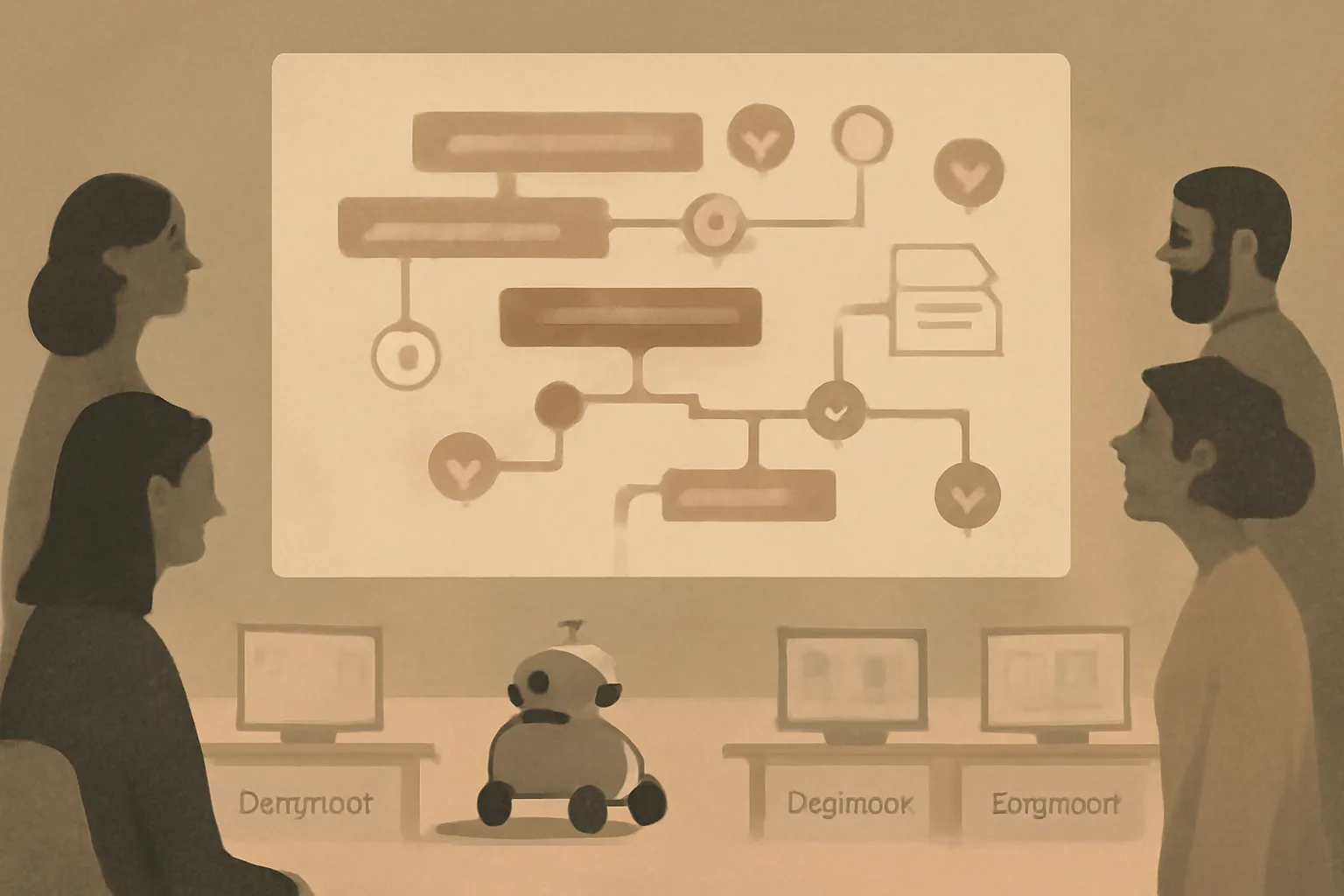
This week Meta released Muse Code, a terminal-based coding agent built on its Muse Spark 1.2 model, putting it in direct competition with Anthropic's Claude Code and OpenAI's Codex. The headline feature isn't the model quality — it's the architecture. As Mark Zuckerberg described it, "when a job is big enough, it fans out to separate sub-agents working in parallel in isolated worktrees. Your working copy is never touched." He said Meta's own testing had the tool build six features for a game simultaneously with no collisions.
Take that specific claim with the hedge it deserves — it's a vendor's account of its own internal test, not an independently verified benchmark, and "beta" means the rough edges haven't been sanded off yet. But the direction is not really in question, because it's not just Meta. Claude Code and Codex have been moving the same way: one instruction in, multiple isolated workstreams out, each one a candidate diff waiting for a decision. Three separate vendors converging on the same shape of tool is a stronger signal than any one of their marketing claims.
The bottleneck is moving, not disappearing
For the last two years, the career conversation around AI coding tools has mostly been about whether they replace the person who writes the code. The parallel-agent pattern raises a quieter, more immediate question: who reviews six simultaneous diffs well enough to catch the one that's subtly wrong? Writing one feature and reviewing one PR are different skills, but they're at least the same scale. Writing one instruction and reviewing six parallel outputs is not — the review step is now the part of the loop that doesn't get faster just because the model got better.
That's a genuine shift in what's scarce. If an agent can fan a task into isolated worktrees and produce several complete attempts, the constraint on shipping isn't generation anymore — it's your capacity to read diffs, spot the collision the tool missed, and decide which of several plausible implementations is the one you actually want in production. Teams that treat this as "the AI does the coding now" and skip investing in that review capacity will ship the version that looked right at a glance, not the version that was right.
What actually gets harder
Specification quality. When one agent produces one output, a vague instruction gets clarified through back-and-forth. When an instruction fans out to six parallel sub-agents before you see anything, ambiguity gets multiplied by six instead of resolved once. The instruction you write before kicking off a fan-out task now has to do the work that used to happen in the follow-up conversation.
Verification at speed. Reading six diffs carefully, one at a time, defeats the point of parallelizing the work. The skill worth building is fast, structured triage: knowing which of the six to read line-by-line, which to spot-check against tests, and which to discard on smell alone — without discarding the one that was actually correct.
Merge and integration judgment. "Isolated worktrees, no collisions" describes the git mechanics, not the product logic. Two features can merge cleanly and still contradict each other — one agent's caching change can quietly undermine another's data-freshness fix. Catching that requires someone who understands the system as a whole, not just the diff in front of them.
What to actually do this week
- If your team already uses an agentic coding tool, try assigning it a task explicitly scoped to fan out into 2–3 sub-agents rather than one. Notice how long you spend writing the initial instruction versus reviewing the output — that ratio is the thing that's shifting.
- Practice writing acceptance criteria before you kick off a task, not after you see the result. "Fan out and pick the best" only works if you defined "best" in advance.
- If you're early-career and worried this makes your job smaller, look at it the other way: the ability to read a stranger's diff quickly and correctly, honed over months of code review, is now a directly monetizable skill rather than a chore attached to a more senior title.
- If you manage a team, resist measuring output by features shipped per week during this transition. A team that fans out aggressively but reviews carelessly will look fast right up until the week something breaks in production.
None of this requires believing Meta's six-features-at-once claim at face value, or picking a winner among Muse Code, Claude Code, and Codex. It requires noticing that three well-resourced labs independently decided the next lever to pull was parallelism, not just raw model quality — and planning your own skill development around the bottleneck that creates, rather than the one that's already being solved for you.