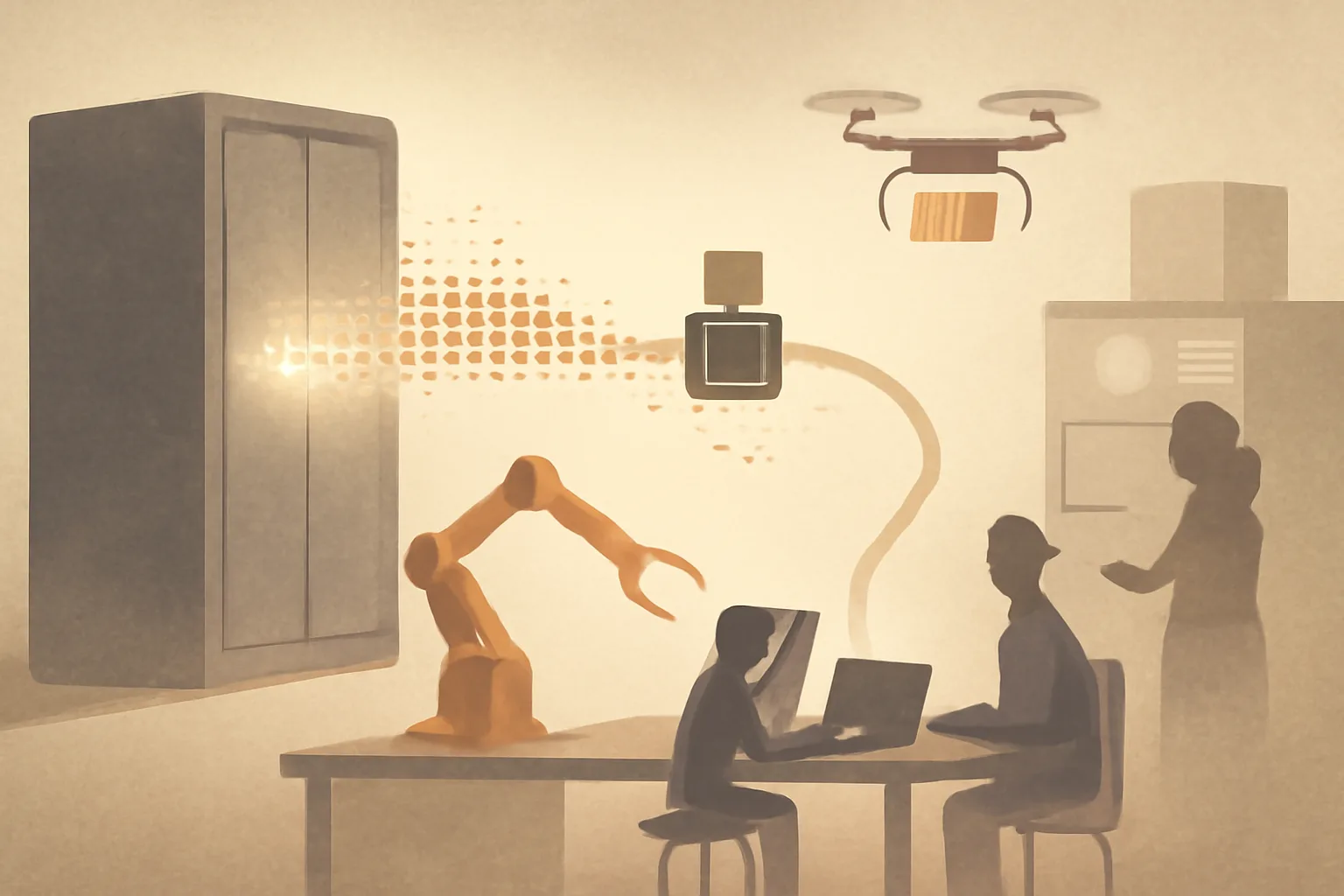
Meta's entry into the AI coding market this week came with a specific claim worth sitting with. Muse Code, the company's new terminal-based coding agent, doesn't just write code one file at a time — according to Mark Zuckerberg's launch post, when a job is big enough it "fans out to separate sub-agents working in parallel in isolated worktrees," and in Meta's own testing it reportedly built six features for a game simultaneously with no collisions. That's a vendor's claim about its own product on launch day, not an independently verified result, so treat the specific number skeptically. But the shape of the workflow it describes is not a Meta-only idea — parallel, isolated agent execution is becoming a default pattern across the coding-agent field, and it changes what "being good at this" actually means.
For the last two years, the pitch for AI coding tools was largely about speed on a single thread: one agent, one task, one diff to review. That's a skill most engineers have already half-absorbed — read the diff, run the tests, ship it. Fanning work out to multiple agents working in isolated worktrees breaks that model. You're no longer reviewing one coherent change from one train of thought. You're reviewing several simultaneous, independently-reasoned changes that all have to converge into one working system without contradicting each other, duplicating logic, or silently disagreeing about how a shared piece of the codebase should behave.
Why this is a genuinely different skill, not a faster version of the old one
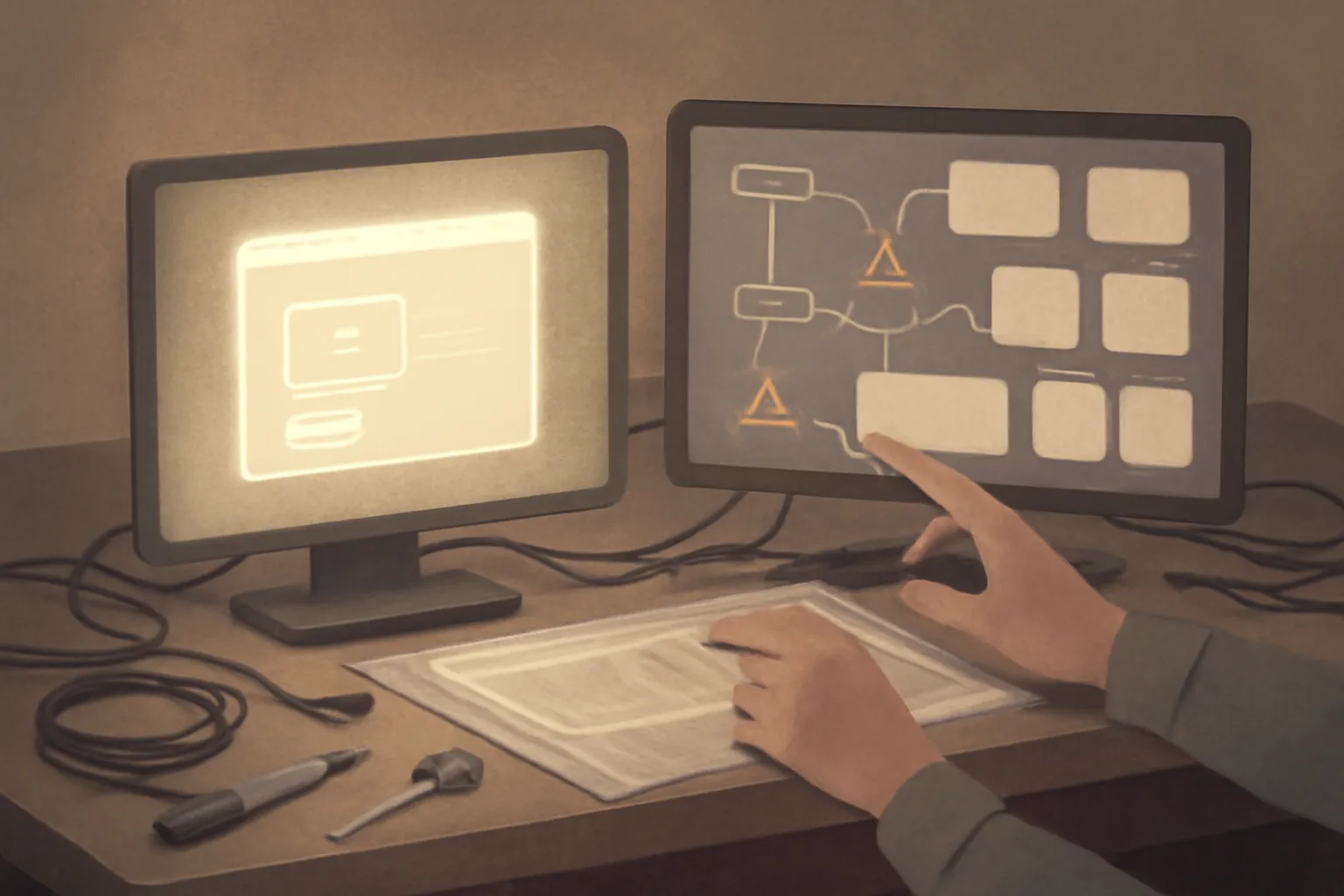
Reviewing one AI-written diff is mostly a correctness check: does this do what it says, does it break anything nearby. Reviewing several parallel agent outputs adds a layer that most people have never had to practice, because until recently no single person's job required it: cross-diff consistency. Did two agents each invent their own version of the same helper function? Did one agent's "isolated" change quietly depend on a file another agent was mid-way through rewriting? Did the merge step actually catch a real conflict, or did it silently pick one branch's assumption over the other's? These are not bugs in the traditional sense — each individual diff can pass its own tests and still produce a system that's incoherent once combined.
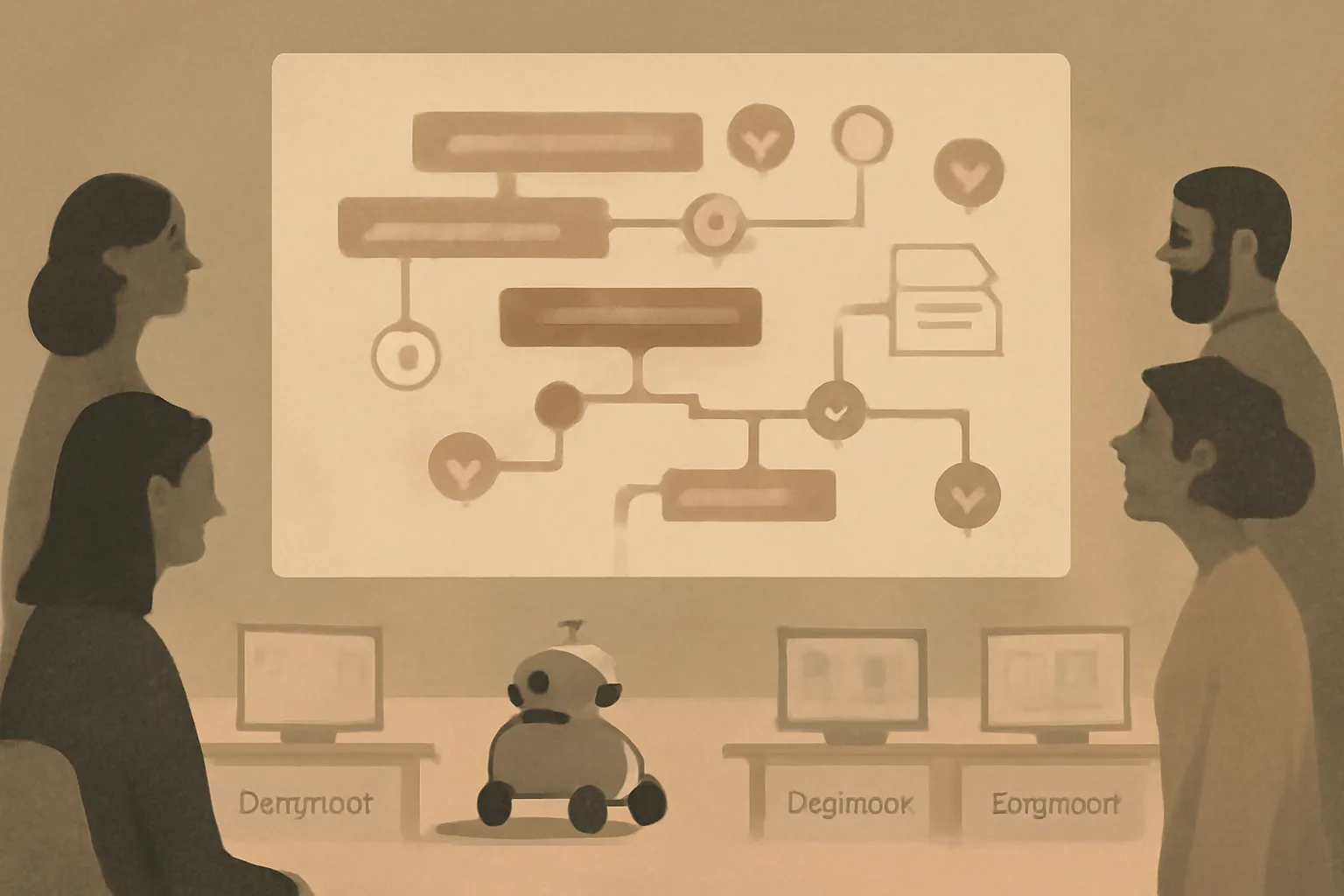
This is the same problem distributed engineering teams have always managed with human contributors, just compressed into minutes instead of days. The difference is that a team of junior engineers naturally asks for guidance when a task looks ambiguous; an agent optimized to complete its assigned slice will often produce a confident, syntactically clean answer to the wrong question. Catching that requires someone who understood the task well enough to decompose it in the first place — which means the actual bottleneck skill isn't "reviewing code fast," it's "breaking a piece of work into pieces that can safely run in parallel, and knowing which pieces can't be."
The broader pattern, beyond coding tools specifically
It's worth noticing this isn't confined to developer tools. Google's redesign of its search box — unveiled the same week — folds AI Overviews and AI Mode into one flow that can take text, images, PDFs, video, and open Chrome tabs as input, and hands the work to an agent rather than a query parser. The common thread across both releases is the same: the interface is moving away from "give the AI one clear instruction and check one clear output" toward "hand the AI a loosely scoped goal and a pile of inputs, and let it figure out the steps." That pattern shows up anywhere agentic tools get deployed, not just in code editors — and it means the review-and-orchestrate skill is going to be relevant well outside engineering roles, for anyone whose job involves directing an AI system through a multi-step task rather than a single prompt.
What to actually practice, concretely
If you write or manage code, a few specific, checkable habits build this muscle faster than reading about it:
- Learn what an isolated worktree actually is (git's
worktreefeature lets multiple branches be checked out into separate directories at once) before you trust a tool's claim that parallel changes "can't collide." Isolation during execution doesn't guarantee coherence at merge time — that's a separate step worth watching closely. - Deliberately give a coding agent a task big enough that it has to decompose it, and read how it splits the work before you read the resulting diffs. The decomposition tells you more about whether you can trust the output than the code itself does.
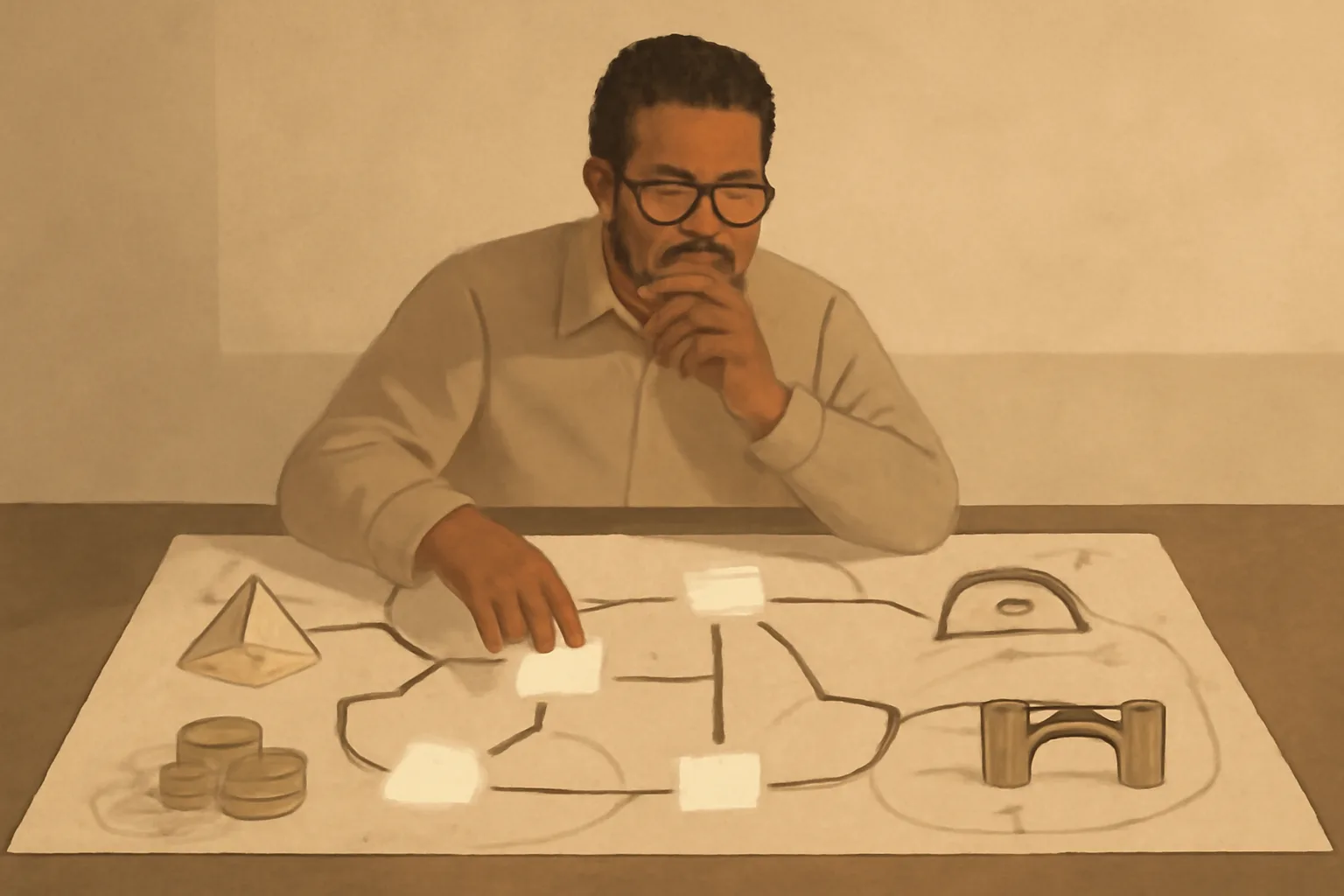
- Practice reviewing diffs in batches, not one at a time. The skill of holding three or four related changes in your head simultaneously and spotting where they disagree is different from reviewing each in isolation and approving it on its own merits.
- Ask what happens on conflict, not just on success. Any tool claiming automatic parallel merges should be able to show you what it does when two agents genuinely do touch the same logic — that failure path, more than the happy path, tells you whether the tool is safe to hand real work to.
None of this requires waiting for your employer to adopt a specific product. The pattern — decompose, dispatch, reconverge, verify — is now showing up across coding agents from multiple vendors and in consumer AI interfaces alike. The people who get comfortable managing that cycle, rather than only reviewing single-threaded output, are building a skill that stays relevant regardless of which company's agent ends up on top.