When Meta launched Muse Code this week, the headline was competitive positioning: another terminal-based coding agent joining Claude Code, Codex, and Cursor in the fight for developer workflows. But buried in Mark Zuckerberg's own description of the tool is the more interesting signal for anyone who writes or reviews code for a living.
"When a job is big enough, it fans out to separate sub-agents working in parallel in isolated worktrees," Zuckerberg wrote, describing Muse Code's approach to large tasks. "Your working copy is never touched. In testing we had it build six features for a game simultaneously with no collisions."
That's not a feature description. It's a job description — for you.
What "isolated worktrees" actually means
A git worktree lets you check out multiple branches of the same repository into separate directories at once, so several lines of work can proceed without one checkout stepping on another. Muse Code, per Meta's account, uses this mechanism to let several sub-agents write code at the same time without touching your live working copy or each other's files. It's a sensible engineering choice: file-level collisions are the easiest kind of multi-agent conflict to prevent mechanically, so you prevent them mechanically and free the model to focus on the actual coding.
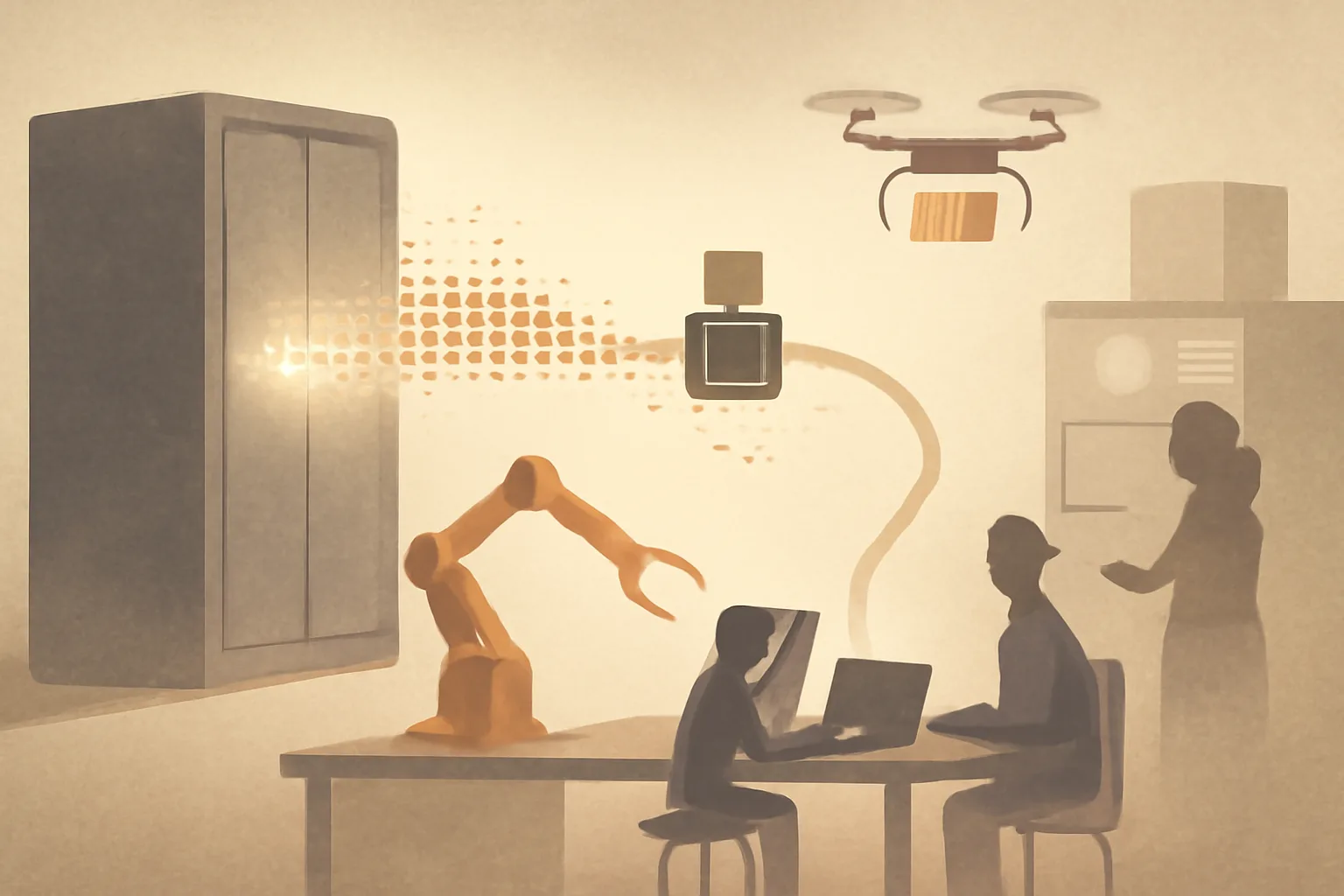
The word to notice is "fans out." A human developer doesn't experience six parallel worktrees as six code streams to hand-check one at a time in sequence — it's six streams landing on their desk roughly together, each needing a decision: does this go in, does it need rework, does it conflict with something a sibling agent just did in a different worktree.
The skill that's actually shifting
For the last couple of years, the dominant model of AI-assisted coding has been conversational and singular: one developer, one assistant, one thread of back-and-forth, reviewed roughly in real time as it's produced. That skill — prompting well, catching a bad suggestion in the moment, iterating — is still necessary. But it's not the skill Muse Code's design is optimizing for. Fan-out-to-sub-agents assumes you've already moved to a different mode of work: decomposing a task up front into pieces that can run independently, then reviewing finished (or semi-finished) output from several agents at once rather than steering one agent turn by turn.
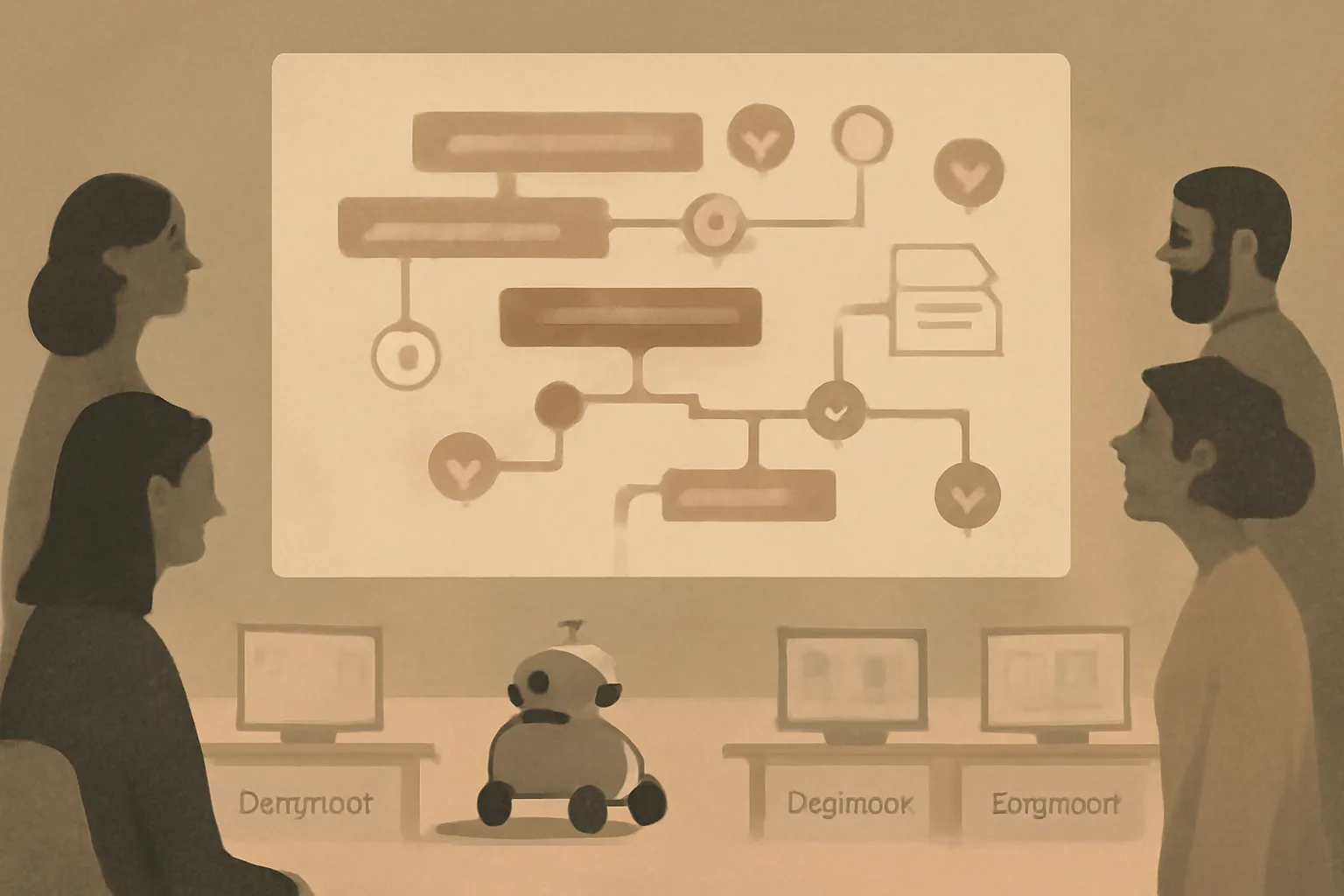
That's closer to being a tech lead who splits a sprint across a small team than a pair programmer split-screening with a chatbot. The individual coding decisions matter less than the decomposition (did you split the work along lines that are actually independent?) and the review pass (can you tell, quickly, whether six parallel diffs are each individually correct and collectively coherent?).
Isolation solves collisions, not coherence
Worth sitting with, because it's easy to miss: isolated worktrees stop two agents from overwriting the same file. They do nothing to stop two agents from independently inventing two different ways to do the same thing — a second date-formatting helper, a second retry wrapper, a duplicate API route — because neither agent could see what the other was building. Git isolation is a file-system guarantee, not a design guarantee. The reviewer who merges six worktrees back together is the only checkpoint where a duplicated abstraction, an inconsistent naming convention, or two features that silently assume different data shapes gets caught. If that reviewer is skimming diffs because the volume of parallel output outpaces careful reading, this is exactly the kind of drift that ships.
That reframes what "code review" needs to mean once fan-out tools are normal: less line-by-line inspection of any single diff (the agent's syntax is usually fine), more cross-diff reconciliation — checking that parallel streams of AI-generated work agree with each other on shared conventions, shared data models, and shared error handling.
What to actually build toward
None of this requires Muse Code specifically — the same fan-out pattern is showing up across the major coding agents, which suggests it's becoming a default architecture rather than a one-vendor bet. A few concrete things worth practicing now, regardless of which tool you're on:
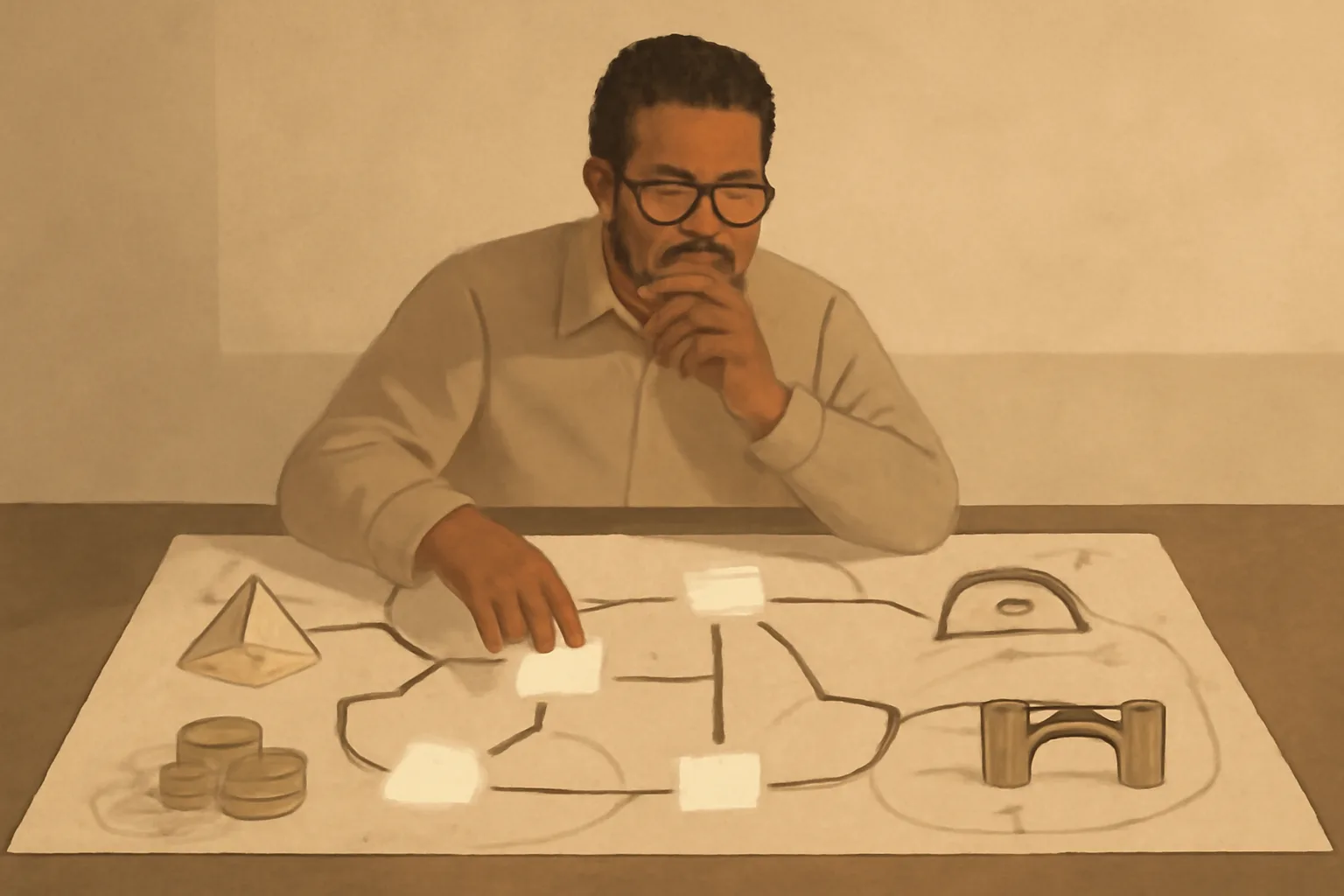
- Write task specs that decompose cleanly. Before you ask for parallel work, ask yourself whether the pieces are genuinely independent — do they touch the same files, the same shared constants, the same API contract? If yes, that's not a job for six parallel agents; it's a job for one agent working sequentially, or for you to hand-split the shared parts out first.
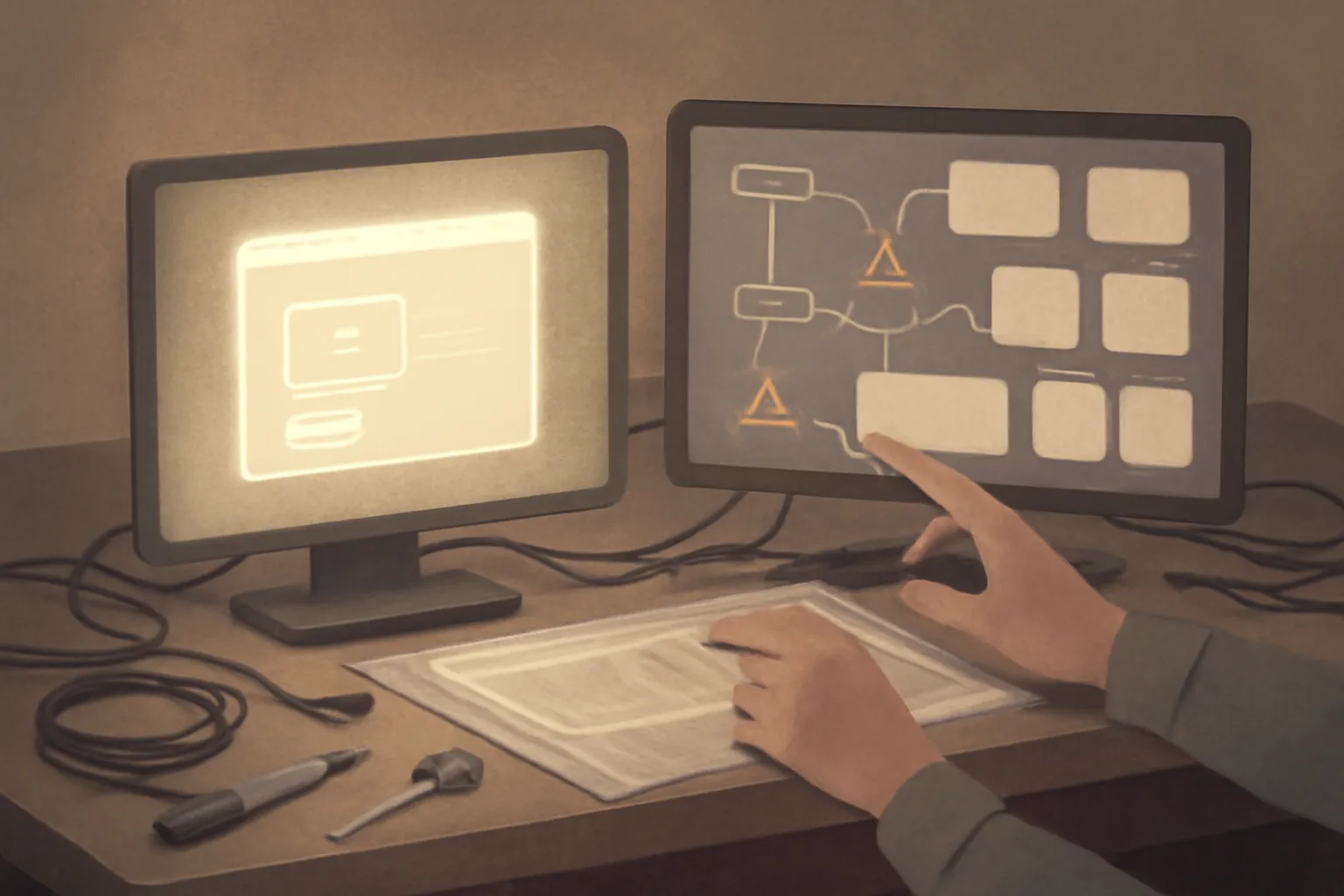
- Practice reviewing at the merge point, not the diff point. Get comfortable pulling several finished branches side by side and asking "do these agree with each other," not just "is each one individually right."
- Know your git worktree basics. If the tools you use are going to describe their internals this way, understanding what a worktree does and doesn't guarantee is table stakes for trusting — or correctly distrusting — the output.
- Get explicit about ownership of shared things. Constants, schemas, shared utilities, naming conventions. The more of these you nail down before the fan-out starts, the less reconciliation work you'll have after.
The people who get the most out of tools like Muse Code won't be the ones who prompt best. They'll be the ones who've quietly become good at running a small, fast, occasionally sloppy team — even when every member of that team is a model.