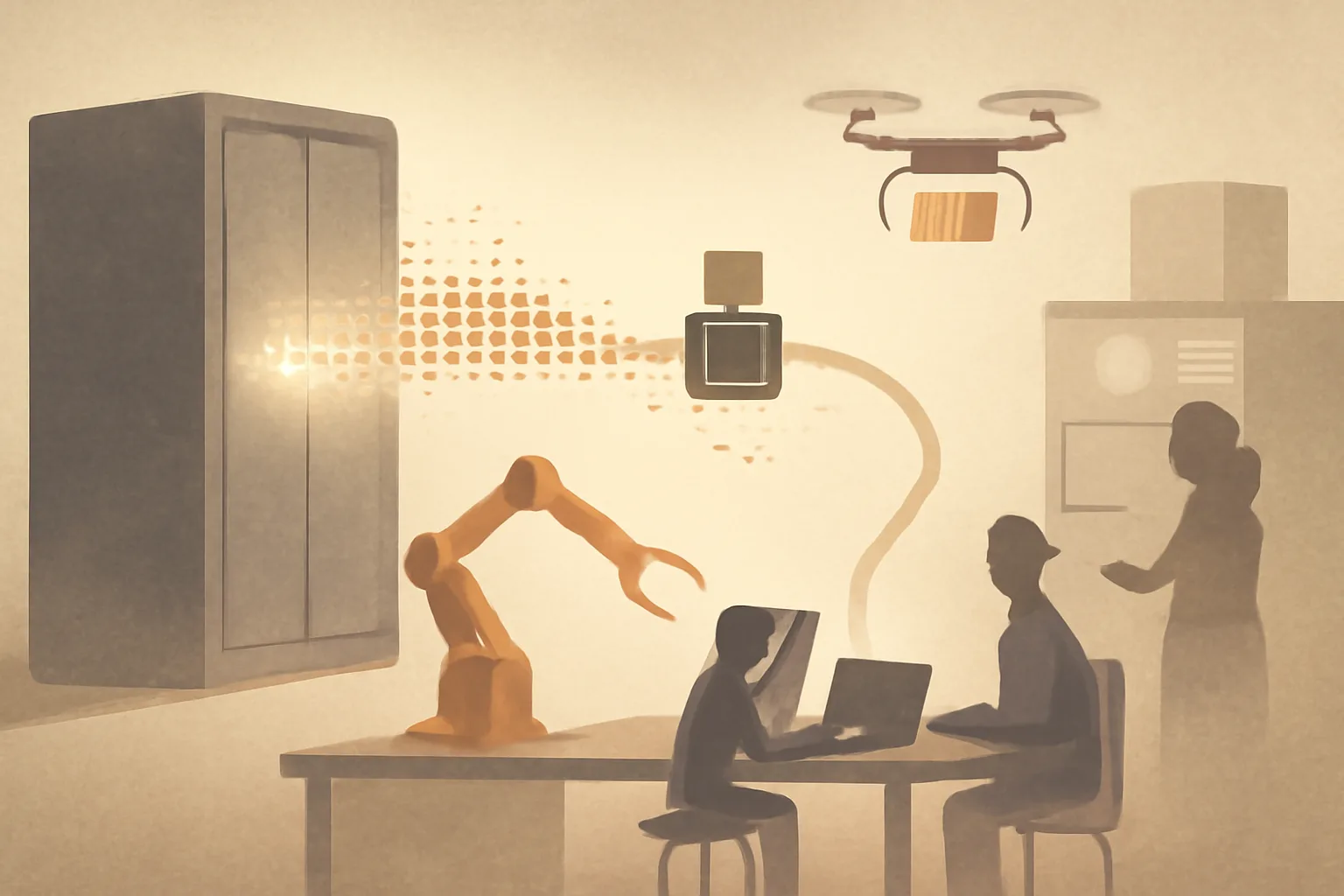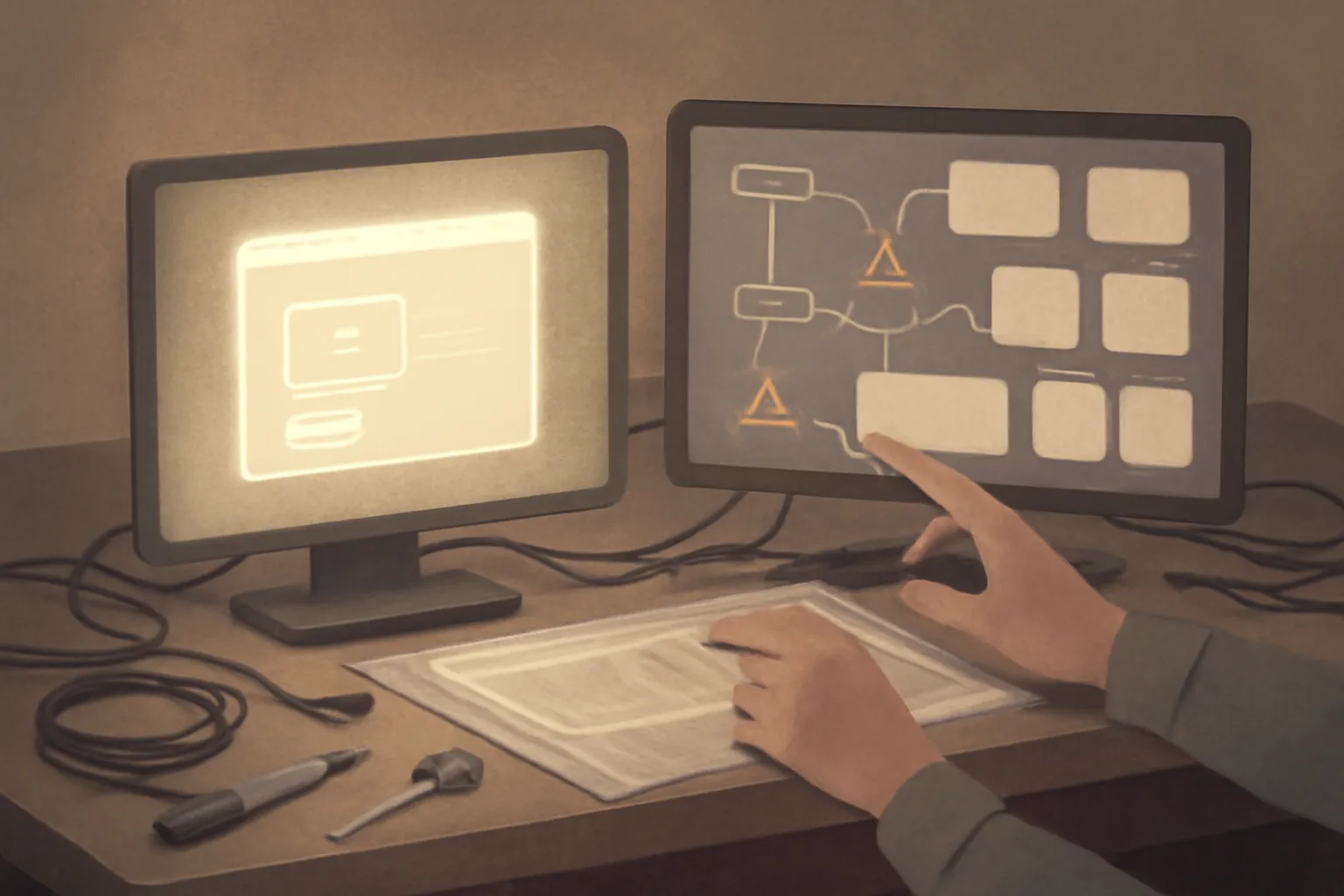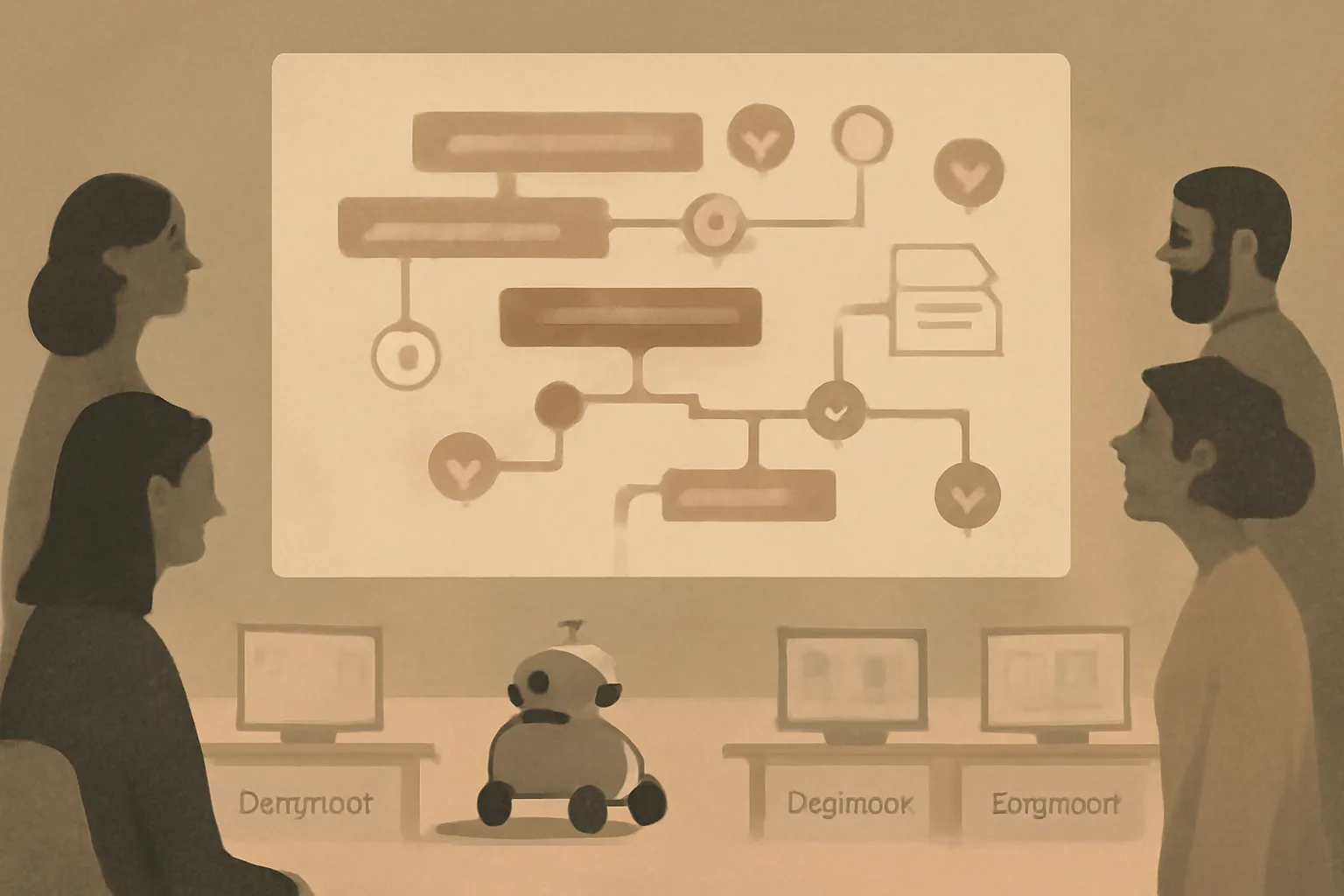
This week's most interesting career signal wasn't in a product launch. It was in a security disclosure about motherboards. Researchers presenting new findings showed that baseboard management controllers — the tiny, separate computers embedded in the motherboards of most enterprise servers, running their own OS and network stack so admins can reboot or reimage a machine even when it's powered off — can be remotely backdoored through bugs that in some cases have been sitting there for more than a decade. One researcher's framing stuck with me: a "pervasive, under-monitored, under-patched parallel attack surface." That phrase is really a description of a career opportunity hiding in plain sight, and it's worth pulling apart for anyone plotting a next move in this market.
What actually got exposed
BMCs exist precisely because they operate outside the systems everyone pays attention to. They're the "lights out" layer — accessible and powerful even when the operating system above them is unresponsive or the machine is off. That's exactly why they're dangerous when neglected: a fleet of thousands of servers across the biggest manufacturers, running firmware nobody has looked at closely since it shipped. Nobody wrote a slick app on top of a BMC. Nobody's demo day pitch was "we patch IPMI." It is, almost definitionally, the least glamorous layer of the stack — which is exactly why it rotted.
The pattern underneath the pattern
Put that story next to two others from the same news cycle and a shape appears. Meta's new terminal coding agent, Muse Code, fans out its own sub-agents to write and validate code across large repos in parallel — Zuckerberg's own example was building six features simultaneously. Google rebuilt its search box for the first time in 25 years, folding AI Overviews and AI Mode into one conversational entry point that takes text, images, PDFs, and video. Both moves pour more investment, more headcount, and more product attention into the very top of the stack: the interface, the query, the code the user or the agent directly touches.
Meanwhile, when Monday.com cited AI in its restructuring and roughly 20% workforce reduction this month, the SEC filing specifically named "product, marketing, and go-to-market" as the functions being transformed — the customer-facing, output-facing, prompt-adjacent layer of the org chart. That's not a coincidence so much as a direction of travel: capital and automation are both concentrating at the top of the stack, where the user is, where the demo is, where the LLM can directly generate the artifact. The floor underneath — the physical and semi-physical infrastructure that has to keep running regardless of which agent or model is fashionable this quarter — is getting comparatively less attention, not more, even as the volume of code and traffic running on top of it keeps growing.
Why the floor behaves differently
This isn't an argument that hardware and infrastructure work is "AI-proof" — nothing is, and I'd hedge hard against anyone selling you a permanent moat. But it does behave differently in three ways worth naming plainly. First, it's heterogeneous and vendor-specific in a way that resists the clean training data and generalization that make coding agents good at, say, a Python refactor — a BMC bug on one manufacturer's firmware doesn't generalize cleanly to another's. Second, fixing it usually requires physical-world judgment — coordinating maintenance windows, verifying firmware provenance, deciding whether a fleet-wide patch is safe to push out-of-band — that an autonomous agent can assist with but that organizations are, for now, reluctant to hand off unsupervised, precisely because the failure mode is "backdoored server that stays backdoored even after a reimage." Third, and most simply: fewer people are choosing to specialize here. Firmware and low-level infrastructure security has been a talent shortage for years, well before this wave of AI hiring anxiety, because it's slower, less demoable, and less fashionable than shipping a feature.
What to actually do with this
I'm not telling every reader to go become a firmware engineer by Friday. But if you're already adjacent to infrastructure, security, or platform engineering, this is a nudge to go deeper rather than to chase the layer everyone else is piling into:
- Get literate in the vocabulary even if you're not a specialist: BMC, IPMI, Redfish, out-of-band management, supply-chain firmware attestation. You don't need to be an expert to be the person on a team who knows this layer exists and asks about it.
- If you're in security and drifting toward "AI red-teaming" because it's the hot subfield, know that it's also the most crowded one right now. The unpatched, unmonitored infrastructure underneath your company's AI stack is a genuinely under-covered risk surface and a differentiated resume line.
- If you're in a product, marketing, or go-to-market role that feels exposed — the functions actually named in this month's layoff filings — infrastructure and platform reliability roles are a legitimate lateral move, not a step down. The skills gap is real, and it's measured in years of institutional patience, not a six-week bootcamp.
- Don't mistake "boring" for "safe forever." This is a relative-scarcity bet, tied to where attention and headcount are concentrating this year, not a permanent guarantee. Keep watching where the investment flows next.
The lesson from a decade-old motherboard bug surfacing in 2026 isn't really about BMCs. It's that the parts of the stack nobody's excited about are exactly the parts that quietly accumulate risk — and, for anyone willing to go there, quietly accumulate value too.